AHUA Spring Conference 2026 roundup

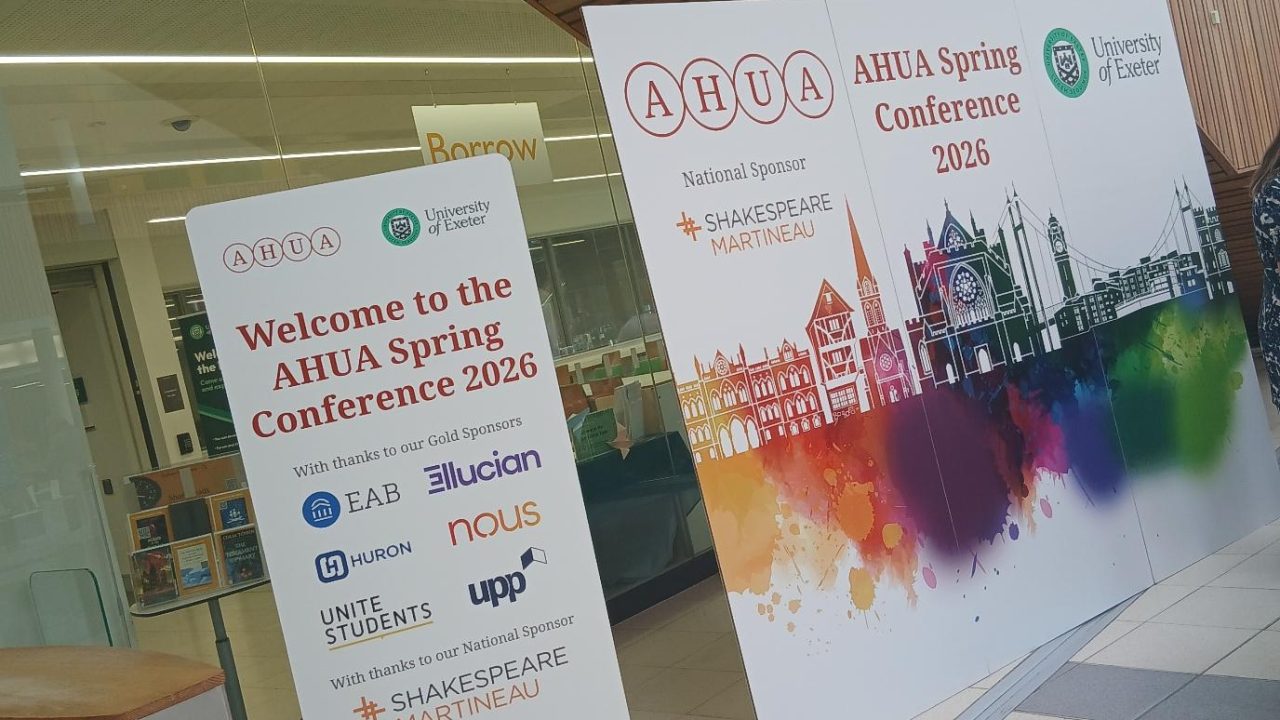
The AHUA Spring Conference 2026 saw AHUA members and a host of speakers come together in Devon at the University of Exeter. Friends from across the UK, and a few friends from further afield, congregated at the Streatham Campus, which is widely recognised as one of the most beautiful campuses in the country, with lakes, parkland, woodland and gardens, as well as modern and historic buildings.
Day 1: Focus on transformational change and student experience
The conference kicked off with a panel to set the scene, chaired by University of Exeter Vice-Chancellor Lisa Roberts, with contributions from James Dunphy (CUC), Vivienne Stern (UUK), and AHUA Chair Helen Galbraith.
Lisa Roberts set the tone with an inspiring message, “the success of our sector in many ways rests on our ability to collaborate across leadership and institutions” while AHUA Chair, Helen Galbraith reflected on the significant pressures facing the sector, including the “cliff-edge” challenges universities are currently navigating. She emphasised that “the imagination, creativity and commitment of our staff are exceptional and equip us to respond to urgent and critical issues with quality, impact and care.”
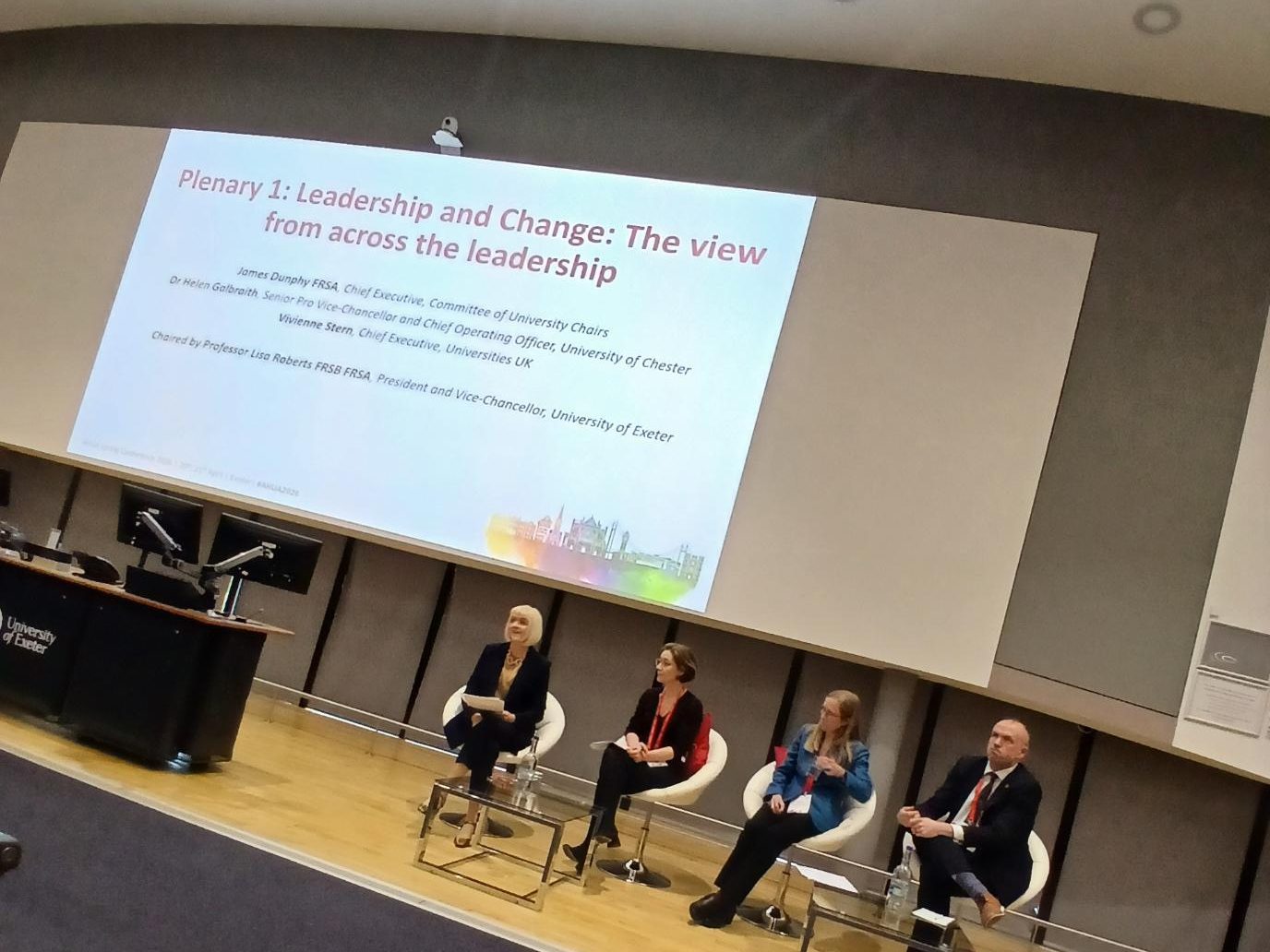
Vivienne Stern highlighted the sector’s strong legacy and enduring purpose, while acknowledging the complexities ahead, “we are in a sector that has great agency. We can continue to evolve and adapt, bringing our collective capacity together to drive meaningful change.” James Dunphy explained the vital role of partnerships in enabling transformation that goes far beyond simple “rebalancing.”
In closing the session, Helen Galbraith reinforced AHUA’s commitment and ambition, noting that AHUA must be, and it is, a “can do” and “will do” organisation.
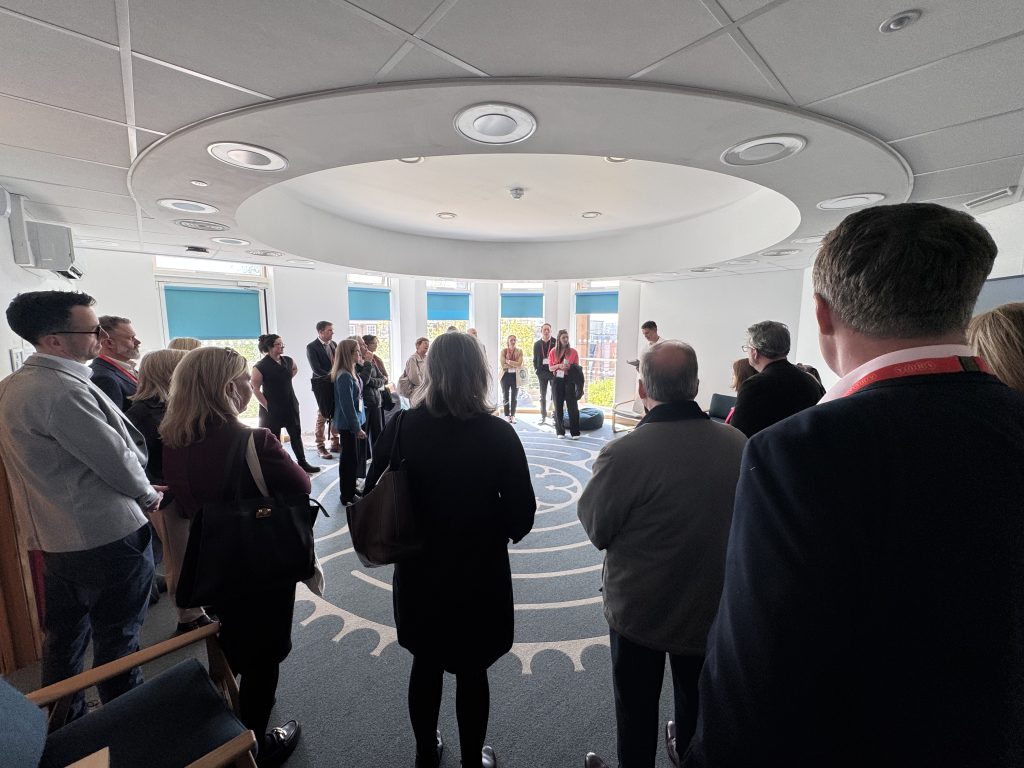
Delegates then attended their first round of workshops from our sponsors and partners. EAB shared lessons from institutions building more resilient, data-informed recruitment strategies; Ellucian unpacked the evolving role of collaborative groups and explored what leaders need to know to operate effectively in this space; UPP gave delegates an exclusive preview of its upcoming research, commissioned by HEPI and UPP, providing a fresh perspective on the student experience away from home.
Further sessions included Huron, who explored a nine-part framework to build institutional resilience, including academic portfolio, revenue diversification, organisational optimisation, tech infrastructure and strategic partnerships. Nous challenged leaders to pressure-test real decisions, identify the major shifts their institutions must make, and interrogate how their own cultures enable or block courageous innovation. Unite Students covered refurbishments, product design innovation, funding, and the value of existing assets.
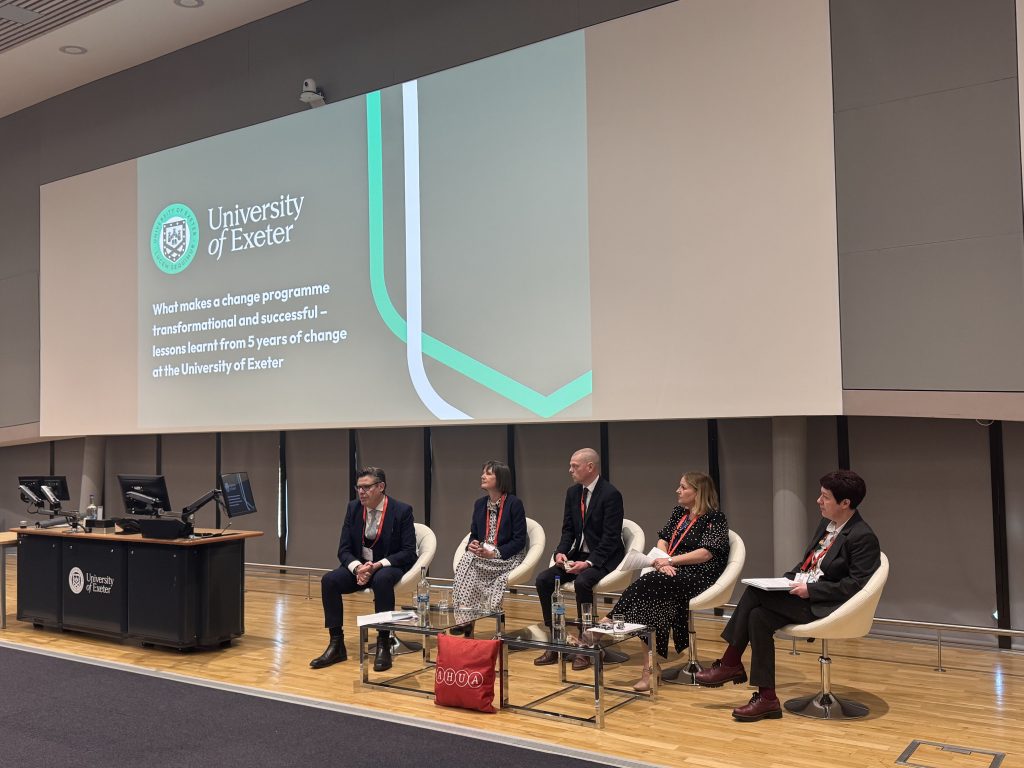
The day concluded with a plenary bringing to life a range of case studies about institutional change projects from the University of Exeter’s change programme. The session brought together senior leaders from the institution, including Nathan Burden (Director of IT Services), Donna Fitzgerald (Director of PS Connect), Gill Preston (Director of Strategic Delivery Unit) and Clare Wydell (Director of Education and Academic Services), chaired by Mike Shore-Nye, Senior Vice-President and Registrar & Secretary, as well as showcasing some practical change projects they had delivered they reflected on what had made them a success including their five key capabilities for successful change projects:
- Alignment of change objectives with the senior team;
- An established and trusted leadership cascade;
- One framework of delivery with local freedom;
- Strong central co-ordination;
- Strong internal change capabilities.
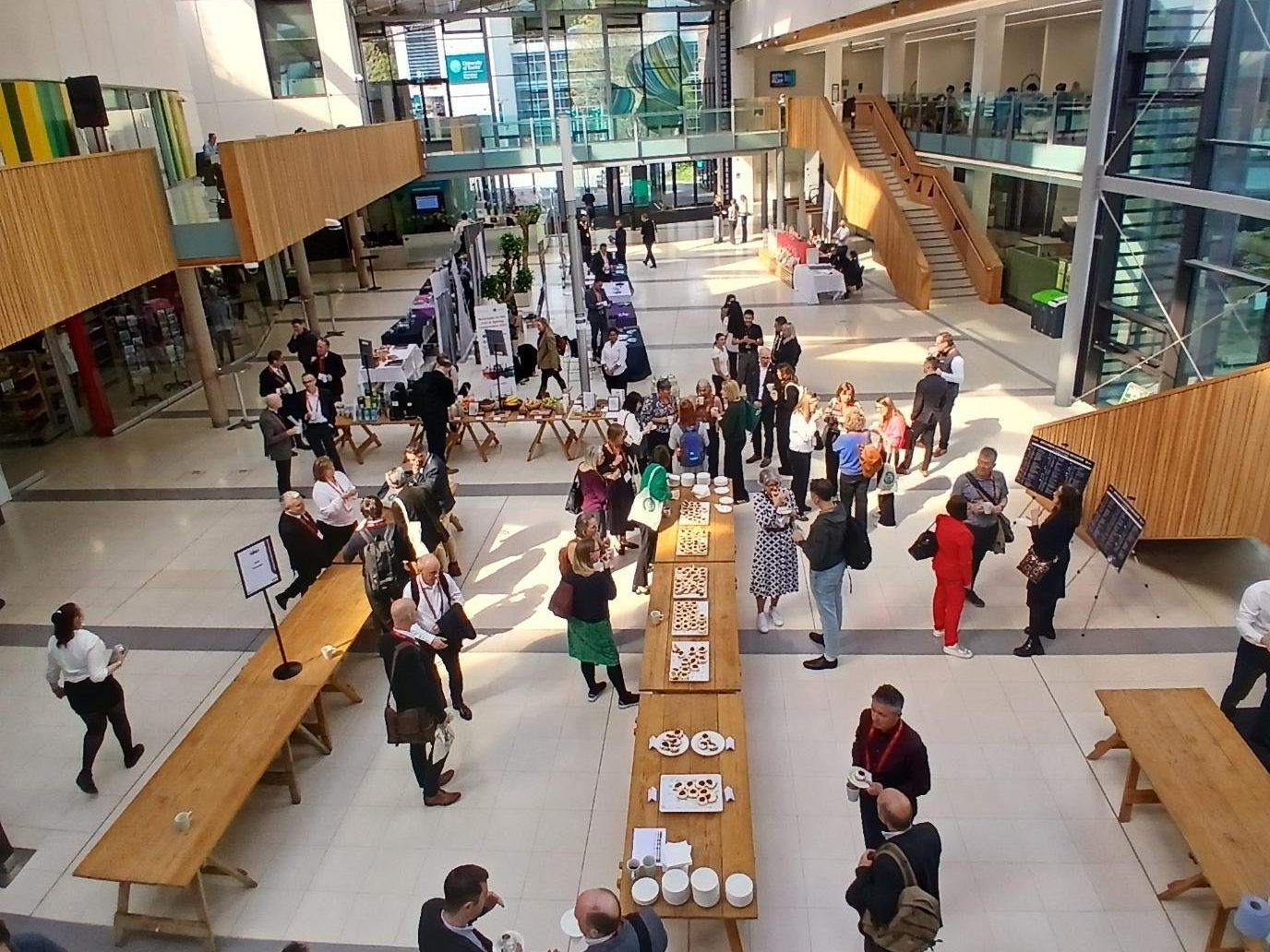
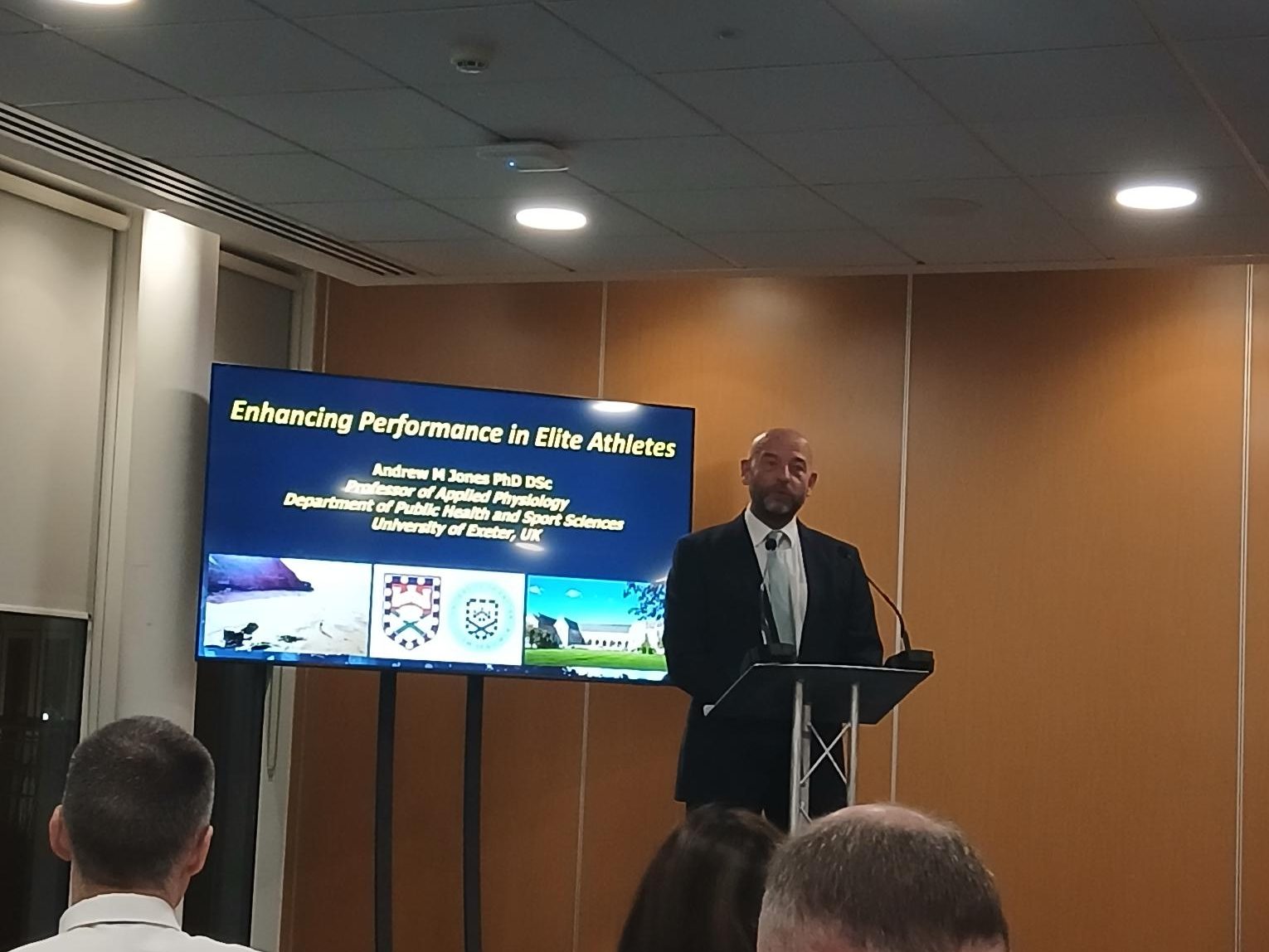
The evening transitioned into the annual conference dinner, which was a welcome chance for members to spend time together, share a drink, enjoy great food, and catch up on one another’s stories and developments. The after-dinner speaker, Professor Andy Jones, concluded with his experience of deploying science and precision coaching and planning techniques to help athletes break seemingly impossible boundaries. He told the story of working in partnership with Nike to help Eliud Kipchoge become the first human to run a marathon in under 2 hours in Vienna in 2019.

Day 2: Focus on digital transformation, governance and free speech
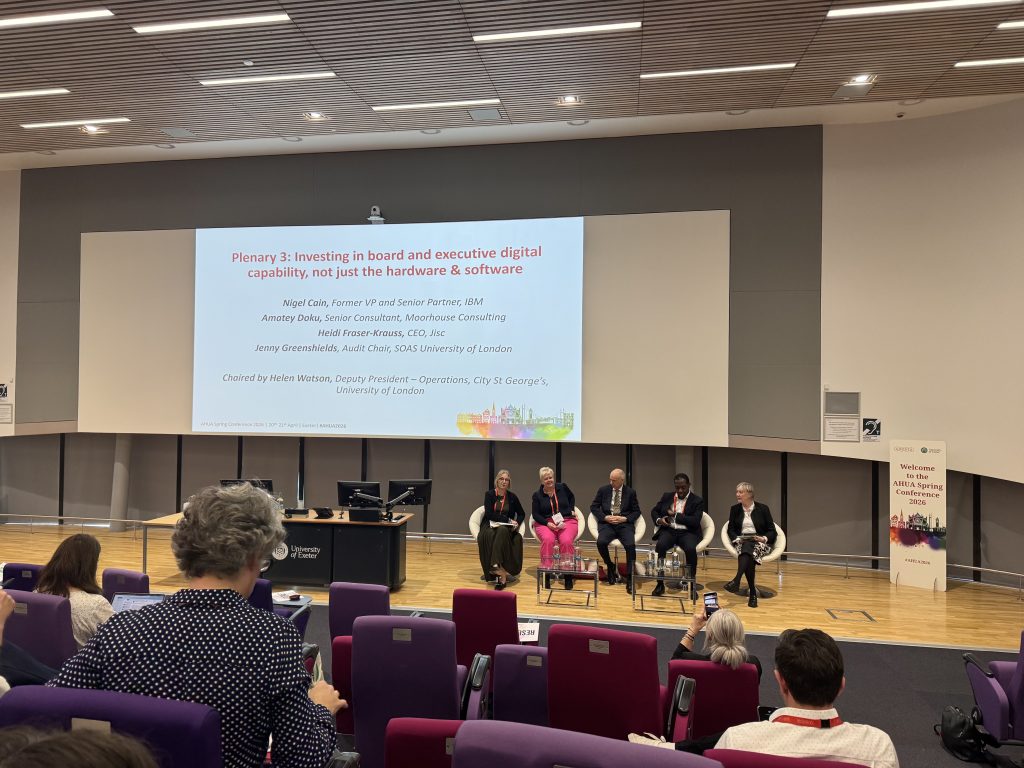
Delegates were back bright and early for a plenary session composed of Nigel Cain (IBM), Amatey Doku (Moorhouse Consulting), Heidi Fraser-Krauss (Jisc) and Jenny Greenshields (SOAS), chaired by Helen Watson.
This session further explored how data, technology and digital change are rapidly transforming the way universities operate. Key points highlighted that investment in software and hardware must be matched by investment in people and their capability to understand, utilise and manage technology.
Nigel Cain called for bold, forward-thinking leadership, “boards should think radically about what they want to be in future and then ask what they can do with technology that will make that vision transformative, that prevents it being held back by its history and current status.” While Amatey Doku emphasised the importance of fostering a collaborative culture, highlighting the need to “embrace and encourage a culture of collective ideation to deliver digital change projects that would create a more innovative workforce who embraces the digital initiatives because they have had a part in designing projects and solutions.” Heidi Fraser-Krauss talked about the need to unlock a generation of collaboration and Jenny Greenshields challenged universities to become experts in technology adoption or risk falling behind.
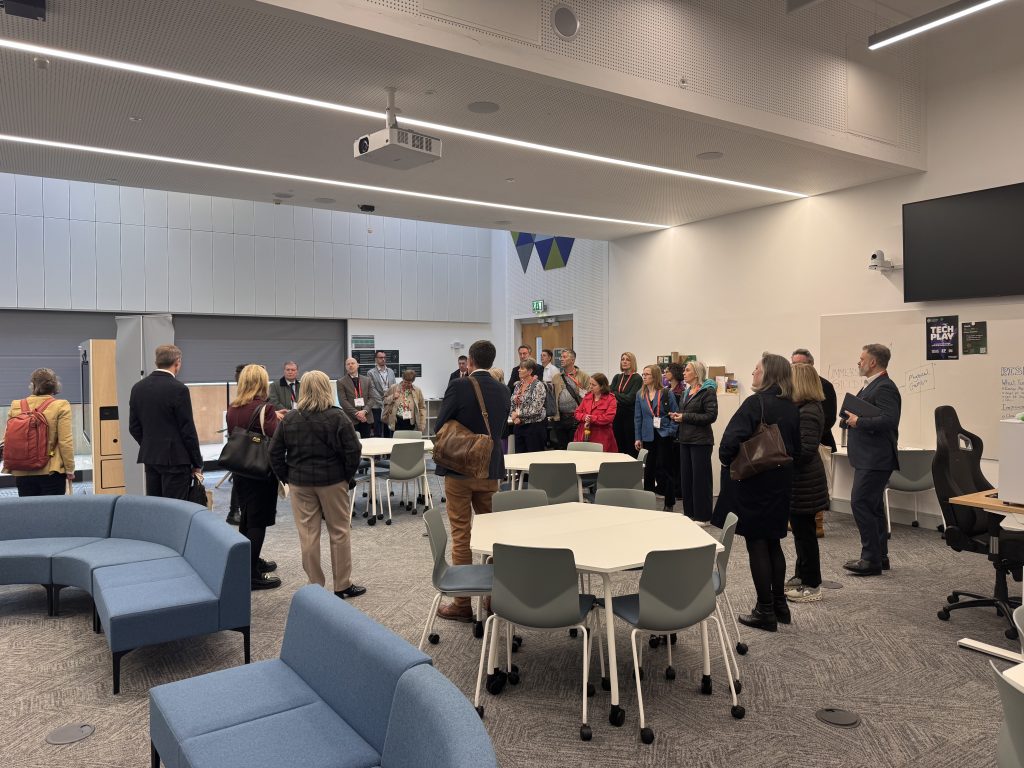
Another round of workshops saw delegates hear from AHUA Development Consultant Robin Henderson, who ran an interactive session exploring how AI can be used as a thinking partner. James Coe (Senior Partner, Counterculture Partnership LLP) discussed an alternative governance model, while Tracey Allen, Kate Lindsell and Mike Shore-Nye from the University of Exeter addressed risk management and compliance in governance operations.
AHUA members attended the Conference business and AGM, chaired for the first time by Helen Galbraith. The meeting agreed a set of constitutional changes following a governance review announced at Conference 2025. The Association’s accounts were approved and a plan for affiliation fees agreed. The Executive Team and Executive Director provided updates on the Association’s work and talked through some highlights from the annual impact report.
After lunch and networking, the conference reconvened with workshops from Alex Hall (AULP) and Smita Jamdar (SHMA), who explored what universities and regulators could do better in relation to consumer protection. James Dunphy (CUC) looked ahead to major changes in university governance, while Keiran Cooke and Amatey Doku (Moorhouse Consulting), along with Giles Carden (University of Southampton), helped delegates consider what AI readiness means for their institutions.
The conference concluded with a final plenary session focused on free speech. Chaired by Amanda Wilcox (University of Durham), the panel brought together Arif Ahmed (OfS), Rob Kramer (UAL), Francis Steptoe (Exeter Students’ Guild), and Irfan Zaman (SOAS Students’ Union).
The discussion acknowledged that regulations, or “lines in the sand,” are necessary to provide a backstop and protect individuals but emphasised that rules alone do not create meaningful or high-quality dialogue. Instead, the panel explored the practical steps AHUA members can take to foster a strong culture of free speech within universities. This included building robust networks and relationships, encouraging kindness as a foundation for constructive disagreement, and proactively engaging with opposing viewpoints.
The panel concluded that universities, far from placing free speech at risk, remain among the most vibrant communities in the UK. Spaces that go above and beyond many other institutions in promoting diverse dialogue and showcasing a wide breadth of thought, creativity, campaigns, and communities. Closing the conference, AHUA Chair Helen Galbraith reflected back on the previous evening’s speech about breaking the 2-hour marathon. She pointed out that with the right people, the right planning, the range of expertise, all stewarded to pull in the same direction incredible feats can be achieved.
Thanks to all of our speakers, workshop facilitators, sponsors and friends who contributed to the AHUA Spring Conference 2026 and to the University of Exeter team who hosted to the highest of standards including their legendary catering!

Related Blogs