The arrival of generative AI has transformed how information is accessed. Answers that once required hours of searching can now be produced in seconds. But this development makes encounters with physical books, archives and libraries more important, not less.
AI can process information, but it cannot replace the human intellectual habits through which expertise is formed. The future role of the library is not simply to provide access to information, but to cultivate the capacities that turn information into understanding.
When information is abundant and easily generated, the most valuable human capacities are judgement, creativity, interpretation, critical thinking and the ability to synthesise knowledge across domains. The value of the library lies not only in the information it holds, but in the relationships it enables people to build between sources, ideas, disciplines and forms of evidence.
These approaches are central to the needs of a modern knowledge economy, and physical books and libraries play a crucial role in building these skills. The library is a distinctive environment for cultivating such intellectual capabilities on which expertise depends.
Expertise in any discipline is not built through the accumulation of disconnected facts, but through repeated encounters with complex texts, ideas and arguments over time. To become knowledgeable is to develop judgement: the ability to weigh evidence, recognise ambiguity, make connections and distinguish between strong and weak claims. These capacities emerge through deep reading rather than rapid consumption, and libraries provide the conditions in which this can happen.
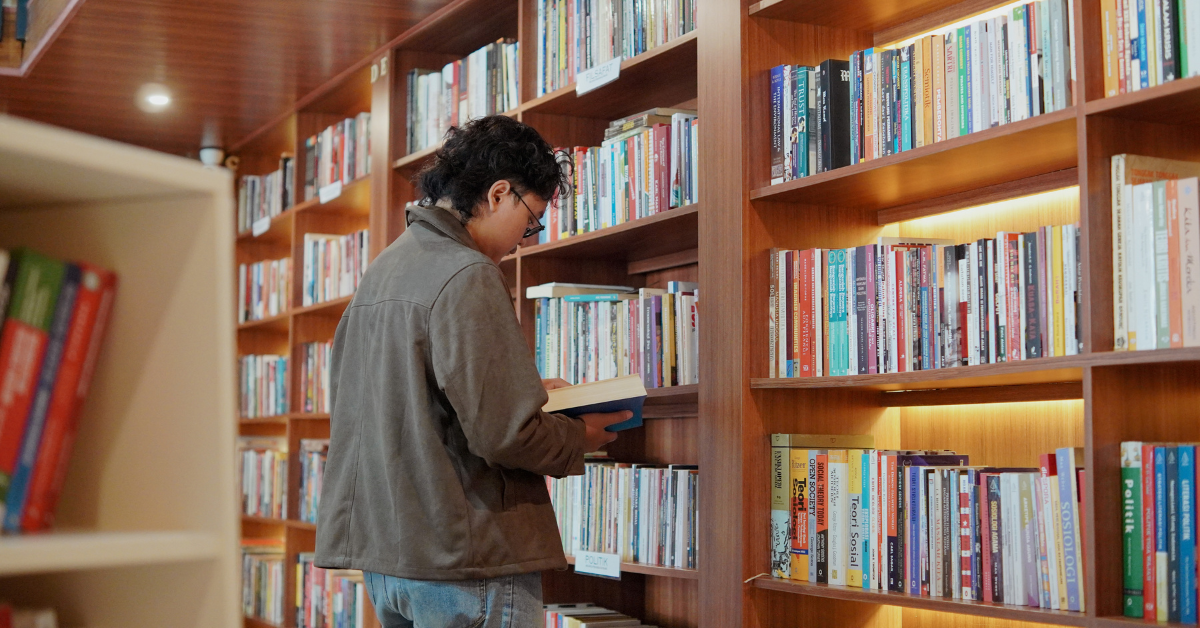
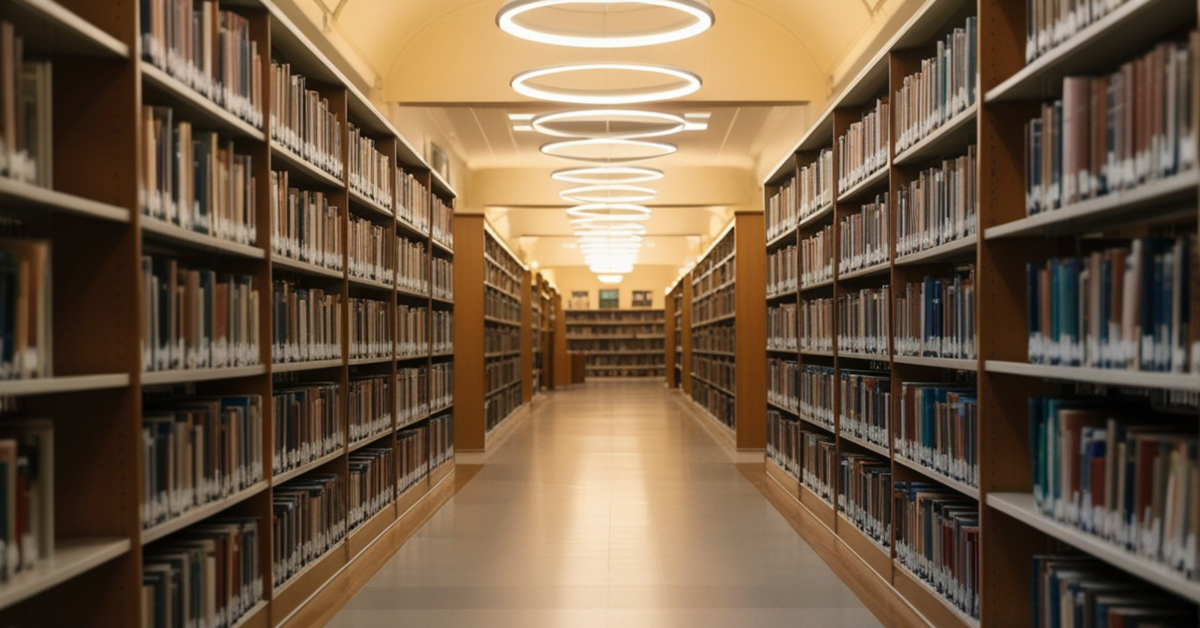
The physicality of the library is fundamental to that purpose. Its reading rooms create space for concentration and reflection, its print collections invite sustained engagement and serendipitous discovery, and the presence of other learners situates individual study within a wider scholarly community.
As digital content becomes abundant, immediate and increasingly mediated by AI, direct encounters with books, archives and original objects become more valuable. Students need opportunities to encounter material culture, browse shelves and participate in communities of learning that exist in physical space. They should experience books not simply as containers of information, but as objects that can be studied, interrogated and understood within their historical, cultural and material contexts.
Future libraries should strengthen these conditions for learning and discovery. Alongside inspiring reading rooms and spaces for quiet study, they should provide collaborative environments and technology-enabled teaching and research spaces that support contemporary scholarship. Print and heritage collections should remain visible within buildings, encouraging browsing, comparison and unexpected intellectual connections across disciplines.
Libraries of the future should enable students to:
- Encounter the past first-hand through rare books, manuscripts and archives, turning students from consumers of knowledge into discoverers of original evidence.
- Practise the art of deep reading in spaces designed for reflection and concentration, cultivating the attention, judgement and intellectual confidence on which expertise depends.
- Explore the boundaries between human and machine knowledge by placing AI-generated insights alongside books, archives and primary sources, revealing how evidence, authority and interpretation are built.
- Transform collections into new ideas and public knowledge through exhibitions, creative projects and research collaborations, making the library a place of intellectual production as well as discovery.
The enduring value of the library lies not simply in providing access to information, but in creating the conditions in which curiosity deepens into understanding, understanding develops into judgement, and learners become active contributors to knowledge. The future of libraries remains therefore, profoundly human.